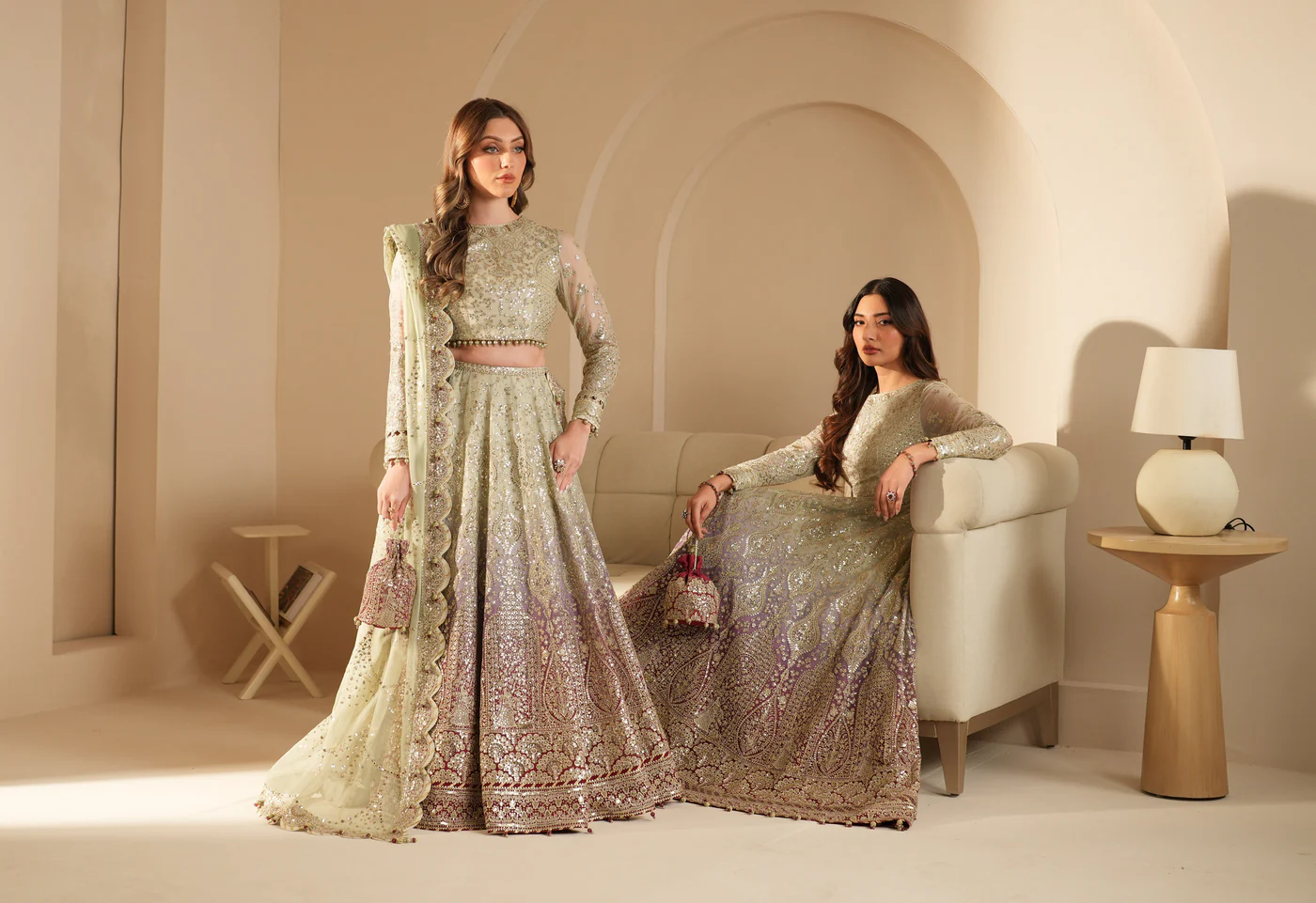
The traditional Pakistani outfit is more than just clothing; it is a vibrant tapestry woven with centuries of history, regional diversity, and cultural pride. From the bustling streets of Lahore to the serene valleys of Gilgit-Baltistan, these garments serve as a powerful visual symbol of identity and heritage. They are worn for daily life, grand celebrations, and everything in between, showcasing a unique blend of comfort and exquisite craftsmanship. The beauty of this attire lies in its modesty, flowing silhouettes, and intricate embellishments. While the Salwar Kameez remains the national dress, the world of Pakistani traditional dresses encompasses a rich variety of styles, fabrics, and embroidery techniques. This guide explores the history, types, and enduring appeal of these magnificent garments.
The Cultural Significance of Pakistani ethnic wear
The clothing of Pakistan is deeply rooted in the traditions of the Indian subcontinent, Central Asia, and the Islamic faith. Every region, from Sindh to Khyber Pakhtunkhwa, contributes its own unique style, fabric, and embroidery to the collective identity of Pakistani ethnic wear. This diversity is a reflection of the country’s varied geography and history. Wearing Pakistani ethnic wear is a way for people to connect with their roots and express their cultural identity. For women, the clothing often features elaborate hand-stitched work, reflecting the skill passed down through generations. For men, the attire emphasizes dignity and comfort, particularly in the warmer climates. The global popularity of Pakistani traditional dresses has soared, with designers blending classic silhouettes with modern trends. This fusion has introduced the beauty of Pakistani fashion to a worldwide audience, making it a staple in South Asian communities across the globe.
Read also: Sustainable Bridal Dresses: Eco-Friendly Choices in Pakistan
Mapping Outfit Type to Cultural Occasion
This table addresses the different contexts in which a traditional pakistani outfit is worn, highlighting its versatility.
| Outfit Type | Primary Occasion | Key Feature |
|---|---|---|
| Salwar Kameez | Daily Wear, Casual Gatherings | Loose trousers (Salwar) and long tunic (Kameez), often with a Dupatta. |
| Lehenga Choli | Weddings, Formal Events | Long, embroidered skirt (Lehenga) paired with a fitted blouse (Choli). |
| Anarkali Suit | Festive Celebrations, Parties | Floor-length, frock-style top with a fitted bodice and flowing skirt. |
| Sherwani | Groom’s Attire, Formal Events (Men) | Long coat-like garment, often heavily embroidered, worn over a Kurta. |
Exploring the Variety of Pakistani traditional dresses
The sheer variety within Pakistani traditional dresses is astounding, offering an outfit for every season, region, and event. While the basic structure often involves a top, a bottom, and a scarf (dupatta), the execution varies dramatically. The Shalwar Kameez is the most iconic and widely worn of all Pakistani traditional dresses. It is characterized by its loose, comfortable fit, making it ideal for the climate. Variations include the Patiala Salwar, which is heavily pleated, and the Balochi Salwar, which is extremely baggy. For formal events, the Anarkali Suit and Lehenga Choli are popular choices. The Anarkali, with its flowing, frock-like silhouette, exudes royal elegance. The Lehenga Choli, often seen at weddings, is a canvas for the most intricate embroidery and luxurious fabrics. Men’s Traditional Pakistani clothing is equally diverse. The Kurta Shalwar is the most common, offering a relaxed yet dignified look. For formal occasions, the Sherwani is the preferred choice, often made from rich materials like raw silk and adorned with detailed threadwork.
Regional Variations in Traditional Pakistani Clothing
This table highlights the geographical diversity reflected in Traditional Pakistani clothing.
| Region | Signature Outfit Style | Key Distinguishing Feature |
|---|---|---|
| Punjab | Salwar Kameez (Patiala Style) | Bright colors, heavy embroidery (Phulkari), and loose, pleated salwars. |
| Sindh | Ajrak, Sindhi Cap, Rilli | Mirror work (Abla), geometric patterns, and vibrant, block-printed fabrics. |
| Balochistan | Balochi Shalwar Kameez | Extremely baggy shalwar, long kameez, and distinctive headwear for men. |
| Khyber Pakhtunkhwa | Peshawari Shalwar Kameez | Simple, elegant design, often worn with a waistcoat and a turban (Pakol). |
The Craftsmanship Behind Traditional Pakistani clothing
The true value of a traditional pakistani outfit lies in the meticulous craftsmanship. The embroidery techniques used are centuries old, passed down through families, and often define the aesthetic of the garment. These techniques are what make Traditional Pakistani clothing a form of wearable art. Zari and Zardozi are perhaps the most famous forms of embroidery, involving the use of gold and silver threads to create elaborate, three-dimensional patterns. This work is typically reserved for bridal wear and high-end formal attire. Aari and Tilla work are other popular techniques. Aari uses a fine needle to create chain stitches, while Tilla involves a thin, metallic thread to create delicate, shimmering designs. These are often seen on shawls and the borders of a traditional pakistani outfit. The fabrics themselves are chosen with care, reflecting the climate and the occasion. Lawn and cotton are favored for summer wear, while silk, velvet, and jamawar are reserved for the cooler months and grand celebrations.
Read also: 7 Velvet Dress Style Ideas You’ll Love This Season
Popular Fabrics and Embroidery Techniques
This table details the materials and techniques that define the quality and look of Pakistani ethnic wear.
| Fabric Type | Best Suited For | Key Characteristic |
|---|---|---|
| Lawn/Cotton | Summer/Casual Wear | Lightweight, breathable, and comfortable for hot weather. |
| Silk/Velvet | Winter/Formal Wear | Luxurious texture, rich drape, and excellent for retaining warmth. |
| Jamawar | Bridal/Heavy Formal Wear | Brocade fabric woven with intricate patterns, often metallic. |
| Zardozi | Embroidery Technique | Heavy, elaborate work using gold and silver metallic threads. |
| Aari | Embroidery Technique | Fine chain stitch work, often used for delicate floral and vine patterns. |
How to Style Your Pakistani ethnic wear
Styling your Pakistani ethnic wear is an art form that allows for personal expression while respecting tradition. The key is to balance the richness of the garment with appropriate accessories. For a formal traditional pakistani outfit, heavy jewelry, such as jhumkas (dangling earrings) and bangles, is customary. The dupatta (scarf) is a crucial element, often draped elegantly over the shoulders or head, adding a layer of modesty and color. For men, styling a Traditional Pakistani clothing piece like a Kurta Shalwar is simpler. It is often paired with a waistcoat (vest) for a more formal look, and leather sandals (Peshawari Chappal) are the traditional footwear choice. The modern trend involves fusion wear, where elements of Pakistani traditional dresses are combined with Western clothing. For example, a beautifully embroidered Kurta might be paired with jeans, or a formal Dupatta used as a statement scarf.
Styling Guide for Traditional Pakistani Clothing
This table offers practical advice on how to complete the look of a traditional pakistani outfit.
| Outfit Element | Styling Tip | Purpose |
|---|---|---|
| Dupatta | Drape elegantly over one shoulder or head for modesty and color. | Adds a finishing touch and cultural depth to the ensemble. |
| Jewelry (Women) | Heavy earrings (Jhumkas) and bangles for formal events. | Enhances the festive and celebratory nature of the outfit. |
| Footwear (Men) | Peshawari Chappal or formal loafers with a Sherwani. | Completes the traditional look with comfortable, classic footwear. |
| Waistcoat (Men) | Add a waistcoat over a Kurta for a semi-formal appearance. | Provides structure and a layer of formality to the attire. |
FAQs
Q: What is the national dress of Pakistan?
A: The national dress of Pakistan is the Shalwar Kameez. It is worn by both men and women across all provinces and is a symbol of the country’s cultural unity.
Q: Where can I buy authentic Pakistani traditional dresses?
A: Authentic Pakistani traditional dresses can be purchased from local boutiques in Pakistan, or from international online retailers that specialize in Pakistani ethnic wear. Look for brands known for their hand-embroidery and quality fabrics.
Q: Is the Lehenga Choli a traditional Pakistani outfit?
A: Yes, the Lehenga Choli is a popular and traditional outfit, especially for weddings and formal events in Pakistan, though it is also common in other parts of South Asia.
Q: What is the difference between a Salwar and a Churidar?
A: A Salwar is a loose, baggy trouser, while a Churidar is a tight-fitting trouser that gathers in folds (churis) at the ankle. Both are common bottoms for a traditional Pakistani outfit.
Conclusion
The traditional Pakistani outfit is a timeless expression of culture, artistry, and identity. From the comfort of the daily Salwar Kameez to the grandeur of bridal wear, these garments continue to evolve while staying true to their rich heritage. The intricate embroidery, the flowing fabrics, and the regional variations all contribute to a fashion landscape that is both diverse and deeply meaningful. When seeking out these beautiful garments, remember the history and craftsmanship woven into every thread. We at Abdullah Bin Shahbaz celebrate the beauty and tradition of Traditional Pakistani clothing and encourage you to explore this rich cultural attire.