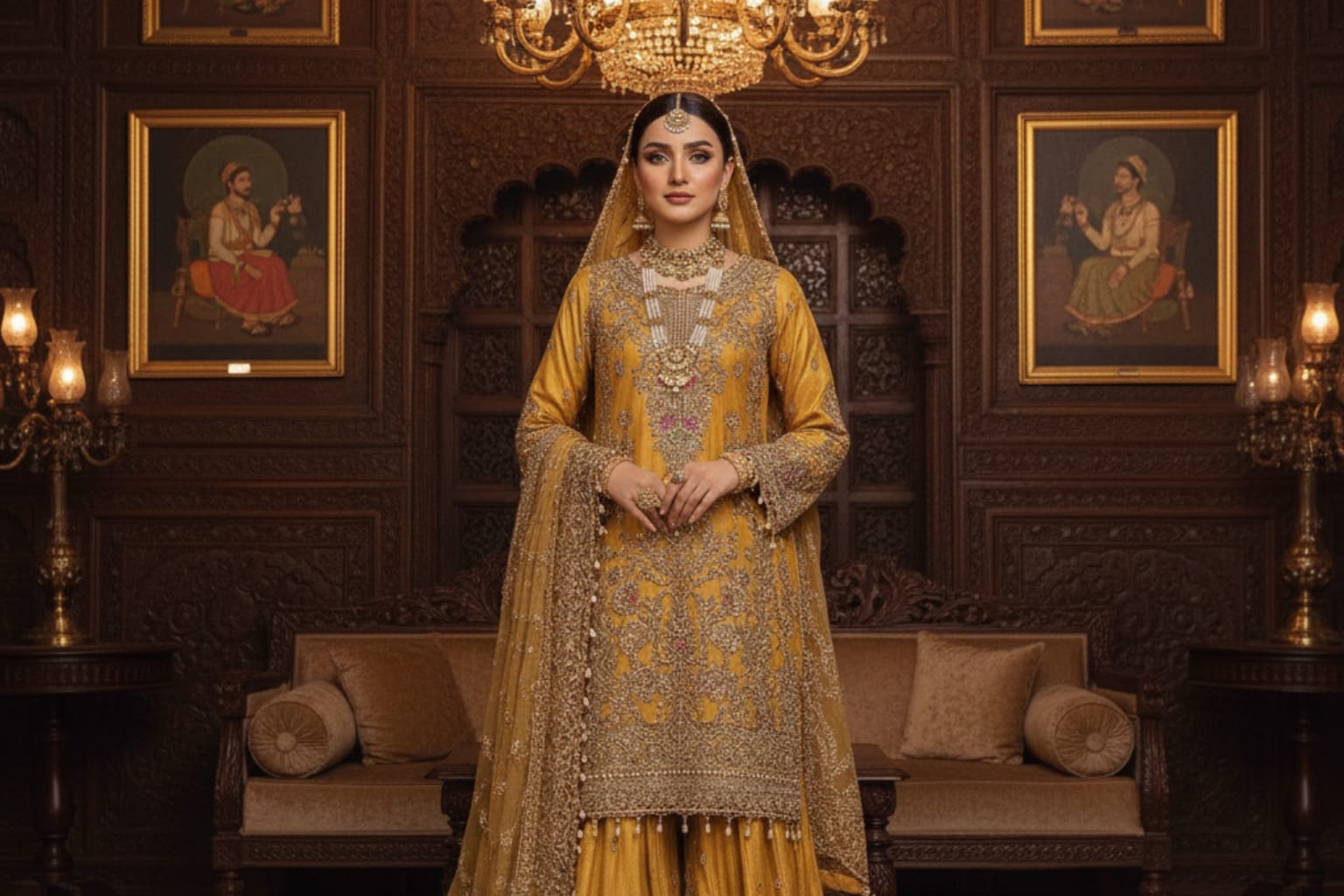
The world of luxury Pakistani formal dresses is one of exquisite handwork and quiet confidence. These are not just outfits; they are wearable art, created to mark the most meaningful moments of your social calendar. Investing in a hand embroidered formal dress means embracing quality, a fit shaped around you, and a style that outlasts passing trends. Whether you are attending a Mehndi full of colour or a Walima that calls for polish, understanding what makes formal wear truly luxurious is the key. This guide walks you through the fabrics, embroidery, styling and care of the finest luxury formal dresses for wedding guests in the UK.
The Anatomy of a Luxury Formal Dress: Craftsmanship and Materials
What truly sets a luxury formal dress apart is the care behind every stitch, from the first sketch to the final press. That quality shows most clearly in the fabrics and the hand embroidery chosen by skilled artisans. Fine fabrics are selected not only for their beauty but also for how they drape, feel and carry embellishment. The choice of fabric shapes the silhouette and the whole experience of wearing the dress.
Read also: Wedding Guest Dresses: What to Wear and How to Style It Right
| Fabric | Key Characteristics | Best For |
| Silk | Natural sheen, fluid drape, carries embroidery beautifully. | Formal lehengas, anarkalis and gown style formals. |
| Velvet | Rich depth of colour, plush texture, regal presence. | Winter weddings, Baraat and Walima guest outfits. |
| Chiffon | Lightweight and airy, with graceful movement. | Mehndi and Nikkah guest wear, layered dupattas. |
| Organza | Crisp structure with a subtle shimmer. | Statement sleeves and structured formal silhouettes. |
| Tissue | Delicate glow with a soft metallic finish. | Walima and evening formal wear. |
Decoding the Dress Code: Luxury Formal Styles for Every Occasion
A luxury wardrobe is built on having the right outfit for every celebration on your calendar. Understanding what each wedding event asks for means you always arrive dressed with confidence. This table matches each occasion with a guest style and the details that make it work.
| Occasion | Recommended Formal Style | Key Details to Look For |
| Mehndi (as a guest) | Vibrant gharara or lehenga | Floral embroidery, lighter fabrics, joyful colours. |
| Nikkah (as a guest) | Softly embroidered anarkali or sharara | Delicate thread work, modest necklines, soft tones. |
| Baraat (as a guest) | Richly worked lehenga or formal | Deep colours, zardozi and dabka, statement dupatta. |
| Walima (as a guest) | Gown style formal or pastel lehenga | Soft metallics, flowing silhouette, refined finish. |
| Formal Dinners and Eid | Elegant embroidered formal | Rich fabrics, balanced embellishment, timeless cut. |
Hand Embroidery: The Signature of True Luxury
What elevates a formal dress from beautiful to unforgettable is hand embroidery. Each technique brings its own character, and the finest pieces combine several in one design. Zardozi gives a regal metallic finish, dabka adds texture and dimension with coiled wire, resham brings soft colour through silk thread work, mukesh scatters light catching dots across the fabric, and cutdana adds sparkle with faceted beads and sequins. When you look closely at a luxury formal dress, you are reading the hours of skilled handwork in every motif.
Two Collections, Two Expressions of Luxury
Zarposh draws on the grandeur of Timurid era architecture, with bold patterns and rich embellishment for grand occasions. Naqsh takes a softer path, inspired by floral carvings and marble inlay, with gentle colours and delicate detail. Together they cover every mood a wedding season can bring, from the vibrancy of a Mehndi to the polish of a Walima.
Styling Your Investment Piece
Owning a luxury formal dress is only the beginning; styling it well completes the look. Let the embroidery lead and keep everything else balanced.
- Pair heavily embroidered outfits with minimal jewellery so the handwork speaks.
- Coordinate your clutch and shoes with the tones in the embroidery.
- A light shawl or a different dupatta drape can change the whole silhouette.
- Choose heels for formal evenings and elegant flats for daytime events.
Caring for Luxury Formal Wear
A little care keeps formal wear beautiful for years. Have hand embroidered pieces professionally dry cleaned, and store them in a breathable garment bag away from direct sunlight. Let velvet rest between wears to protect the pile, and give silk the same gentle handling it deserves.
FAQs
Q: What makes a Pakistani formal dress feel luxurious?
A: It comes down to three things: fine fabric that drapes beautifully, dense hand embroidery worked by skilled artisans, and a fit shaped around your own measurements. When all three are present, the dress feels luxurious the moment you put it on.
Q: Which fabrics are best for luxury formal wear?
A: Silk, velvet, chiffon, organza and tissue all carry hand embroidery beautifully. Silk and velvet suit grand evening events, while chiffon and organza keep lighter daytime looks graceful.
Q: How do I choose embroidery for a wedding guest outfit?
A: Match the embroidery to the event. Zardozi and dabka suit the grandeur of a Baraat, resham and floral thread work suit a Mehndi, and softer mukesh or cutdana detailing suits a Walima. The Zarposh and Naqsh collections show how each technique sets a different mood.
Q: Can I wear the same luxury formal outfit to more than one event?
A: Yes, with thoughtful styling. Change your jewellery, dupatta drape and accessories to give the outfit a fresh feel, and choose classic colours and motifs that do not tie the dress to a single occasion.
Q: How should I care for a hand embroidered formal dress?
A: Have it professionally dry cleaned, store it in a breathable garment bag away from direct sunlight, and handle delicate embroidery with care. Proper storage keeps the handwork crisp for years.
Conclusion
The pursuit of the perfect luxury Pakistani formal dress is a journey into craftsmanship, where every fabric choice and every stitch serves the way you want to feel on the day. Explore the Zarposh and Naqsh collections, and begin your made to order journey with Abdullah Bin Shahbaz.